 FindSolar.ca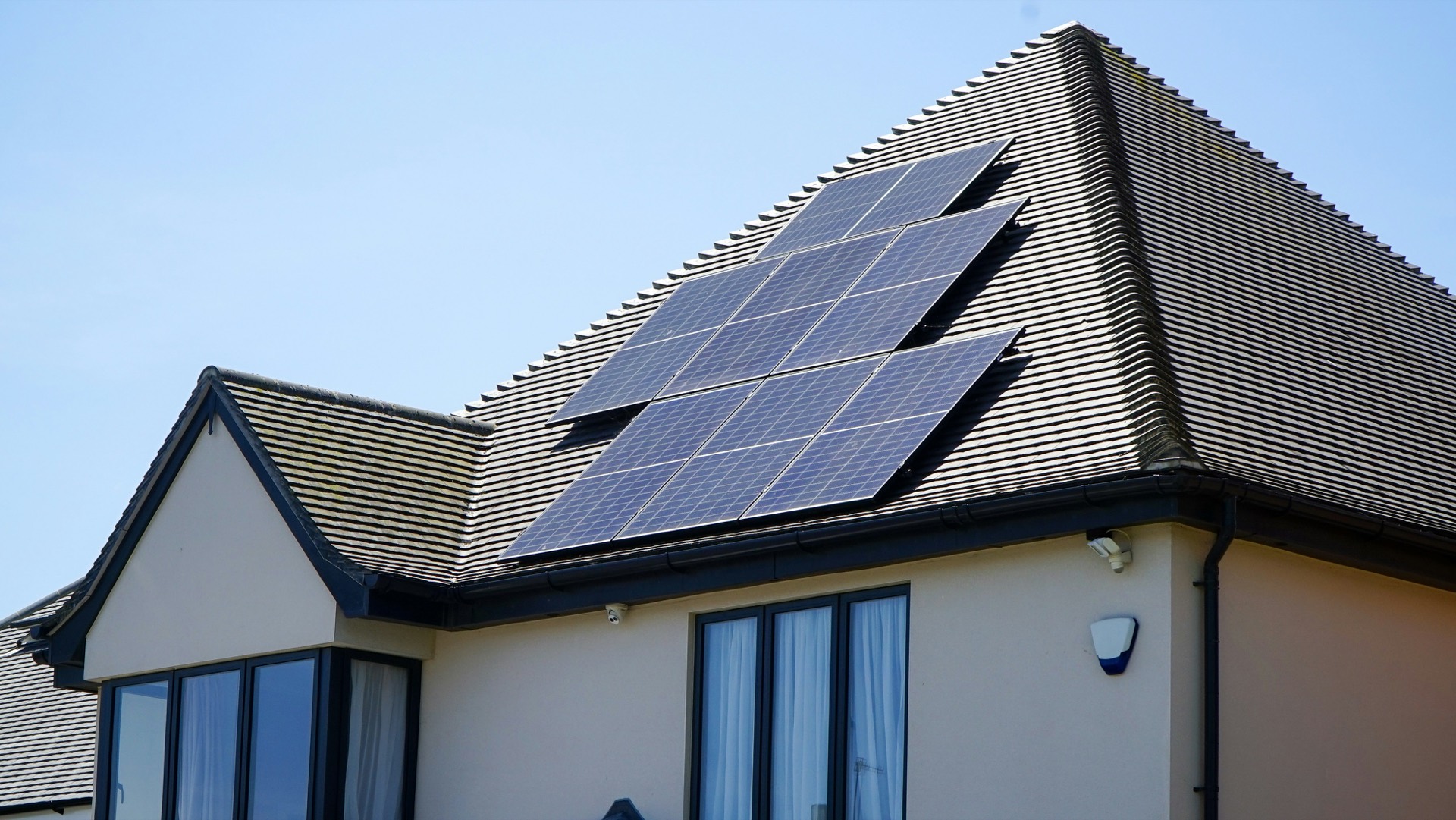
If you own a home in Calgary, Red Deer or anywhere along Alberta's hail corridor, this is probably the first question you asked about solar, and it's a fair one. Alberta sees some of the most damaging hailstorms in Canada. The short answer is that modern panels are tested against hail and usually survive storms that total cars and shred siding. The longer answer, like most things in solar, is "it depends": on the panel, the storm, and your insurance.
What "hail rated" actually means
Most panels sold in Canada carry certification to IEC 61215, an international standard that includes a hail-impact test. In that test, the panel must withstand 25 mm (about one inch) ice balls fired at roughly 23 metres per second, around 83 km/h, at eleven points across the glass surface, without losing function.
That's a meaningful test, and the vast majority of panels pass it comfortably. But it's worth understanding the limits: 25 mm hail is on the smaller end of what a severe Alberta storm can produce. The August 2024 Calgary-area storm, for example, dropped hail that was widely reported at golf-ball size and larger in some neighbourhoods, well beyond what the standard test simulates. Some manufacturers test voluntarily against larger stones or higher velocities; if hail is your main concern, ask each installer which test data their panels carry, and ask for it in writing.
What recent storms have shown
Anecdotal reports from installers after major Alberta storms, including the 2020 northeast Calgary storm and the 2024 events, suggest rooftop arrays generally fare better than the roofs under them. Tempered glass panels mounted at a tilt tend to deflect impacts that hit shingles and vinyl siding squarely. That said, damage does happen. Cracked glass and broken frames were reported in the hardest-hit pockets of the 2024 storm, and no honest installer will promise you immunity.
The realistic takeaway: hail damage to panels is possible but relatively uncommon, and when it happens it's usually part of a larger storm claim that would have hit your roof anyway.
Curious what solar could save you, hail risk included?
Our calculator gives a rough 25-year savings estimate from your power bill alone. Every real quote should follow a free on-site evaluation.
Try the savings calculator →How insurance treats panels
In most cases, a permanently mounted rooftop array is considered part of your dwelling and is covered under your home insurance policy, including for hail. But "most cases" isn't good enough for a five-figure asset. Before installation:
- Call your insurer and confirm the array will be covered, and ask whether your dwelling limit needs to increase to reflect its replacement value.
- Ask about your deductible. On a large claim, the deductible treatment matters as much as the coverage itself.
- Keep your installer's invoice, panel model numbers and photos of the completed array. Claims go faster with documentation.
Premium changes after adding solar appear to vary by insurer and province; some homeowners report no change, others a modest increase tied to higher dwelling values. Get your answer in writing before the install, not after the storm.
The bottom line
Solar panels in Alberta are engineered, tested and, in the real world, largely proven against ordinary hail. Extraordinary hail is a shared risk between your panels and everything else on your property, which is precisely what insurance is for. If hail is your deciding factor, make it a line item in every quote conversation: ask about impact-test data beyond the IEC 61215 baseline, workmanship coverage on the racking, and how the installer handles storm-damage service calls. Installers who work the hail corridor will have straight answers. The ones who don't are telling you something useful too.